The flag of the United Kingdom — commonly known as the Union Jack — is one of the world’s most recognizable national flags. Complex yet balanced, the design combines multiple crosses into a single layered symbol representing the union of different nations under one crown.
Officially, the flag represents the United Kingdom of Great Britain and Northern Ireland:
- England,
- Scotland,
- Wales,
- and Northern Ireland.
Yet interestingly, not all parts of the United Kingdom appear equally within the design.
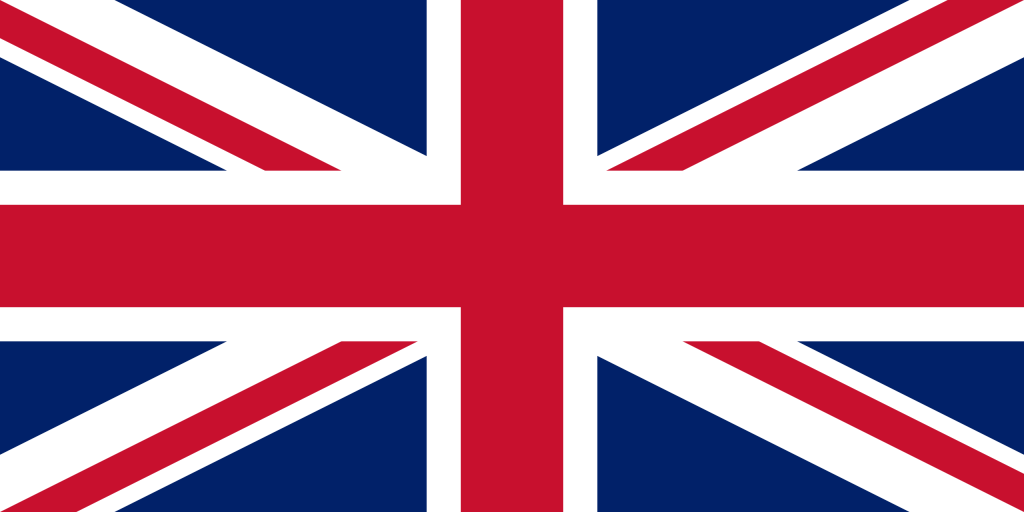
The Origins of the Union Jack
The Union Jack is not a single historic flag but a combination of several older national symbols layered together over centuries.
England — The Cross of Saint George
The red upright cross on a white background represents England and Saint George, the country’s patron saint.
Scotland — The Cross of Saint Andrew
The white diagonal saltire on blue represents Scotland and Saint Andrew.
Ireland — The Cross of Saint Patrick
The red diagonal saltire represents Ireland, added after the 1801 union between Great Britain and Ireland.
These elements were combined to create the modern Union Jack in 1801.
Why Isn’t Wales on the Flag?
One of the most common questions about the Union Jack is:
Where is Wales?
The answer lies in history.
When the first versions of the Union flag were created, Wales had already been legally incorporated into the Kingdom of England for centuries. As a result, it was represented indirectly through England rather than through a separate symbol like Scotland or Ireland.
This absence still sparks occasional debate today, especially among Welsh nationalists.
Why Is It Called the “Union Jack”?
The term “Union Jack” likely originated from naval usage.
Historically, a “jack” referred to a flag flown from the bow of a ship. Over time, the name became widely used for the national flag itself — even on land.
Today, both “Union Jack” and “Union Flag” are accepted terms.
A Flag That Traveled Across the World
Few flags in history have spread across the globe like the Union Jack.
At the height of the British Empire, British territories existed on every inhabited continent. The flag became associated with:
- naval power,
- industrial expansion,
- colonial administration,
- global trade,
- and the English language itself.
Its influence remains visible today in the flags of countries such as:
- Australia,
- New Zealand,
- Fiji,
- and Tuvalu.
A Flag Beyond Politics
The Union Jack eventually evolved beyond state symbolism into a major cultural icon.
It became associated with:
- British music,
- punk fashion,
- the Swinging Sixties,
- rock culture,
- and global pop imagery.
From The Beatles to the fashion movements of London, the flag transformed into one of the most commercially recognizable designs in the world.
Symmetry That Isn’t Actually Symmetrical
One of the fascinating details about the Union Jack is that it is not perfectly symmetrical.
The red diagonal stripes of Saint Patrick are intentionally offset within the white Scottish diagonals. This reflects the political hierarchy and layering of the unions that formed the United Kingdom.
As a result, flying the flag upside down is technically possible — though many people never notice the difference.
QuixoticGuide Note
The Union Jack feels less like a single national flag and more like a historical puzzle stitched together over centuries of unions, dynasties, empires, and political compromises.
It is simultaneously:
- a symbol of monarchy,
- a reminder of empire,
- a global cultural icon,
- and a visual map of a kingdom still negotiating its own internal identities.