Afghanistan: Right
Albania: Right
Algeria: Right
Andorra: Right
Angola: Right
Antigua and Barbuda: Left
Argentina: Right
Armenia: Right
Australia: Left
Austria: Right
Azerbaijan: Right
Bahamas: Left
Bahrain: Right
Bangladesh: Left
Barbados: Left
Belarus: Right
Belgium: Right
Belize: Right
Benin: Right
Bhutan: Left
Bolivia: Right
Bosnia and Herzegovina: Right
Botswana: Left
Brazil: Right
Brunei: Left
Bulgaria: Right
Burkina Faso: Right
Burundi: Right
Cabo Verde: Right
Cambodia: Right
Cameroon: Right
Canada: Right
Central African Republic: Right
Chad: Right
Chile: Right
China: Right
Colombia: Right
Comoros: Right
Congo, Republic of: Right
Costa Rica: Right
Côte d’Ivoire: Right
Croatia: Right
Cuba: Right
Cyprus: Left
Czechia: Right
Democratic Republic of Congo: Right
Denmark: Right
Djibouti: Right
Dominica: Left
Dominican Republic: Right
Ecuador: Right
Egypt: Right
El Salvador: Right
Equatorial Guinea: Right
Eritrea: Right
Estonia: Right
Eswatini:
Ethiopia
Fiji
Finland
France
Gabon
Gambia
Georgia
Germany
Ghana
Greece
Grenada
Guatemala
Guinea
Guinea-Bissau
Guyana
Haiti
Honduras
Hungary
Iceland
India
Indonesia
Iran
Iraq
Ireland
Israel
Italy
Jamaica
Japan
Jordan
Kazakhstan
Kenya
Kiribati
Korea, North
Korea, South
Kuwait
Kyrgyzstan
Laos
Latvia
Lebanon is Right
Lesotho
Liberia
Libya
Liechtenstein
Lithuania
Luxembourg
Madagascar
Malawi
Malaysia
Maldives
Mali
Malta
Marshall Islands
Mauritania
Mauritius
Mexico
Micronesia
Moldova
Monaco
Mongolia
Montenegro
Morocco
Mozambique
Myanmar
Namibia
Nauru
Nepal
Netherlands
New Zealand
Nicaragua
Niger
Nigeria
North Macedonia
Norway
Oman
Pakistan
Palau
Panama
Papua New Guinea
Paraguay
Peru
Philippines
Poland
Portugal
Qatar
Romania
Russia
Rwanda
Saint Kitts and Nevis
Saint Lucia
Saint Vincent and the Grenadines
Samoa
San Marino
São Tomé and Principe
Saudi Arabia
Senegal
Serbia
Seychelles: Left
Sierra Leone
Singapore
Slovakia
Slovenia
Solomon Islands
Somalia
South Africa
South Sudan
Spain
Sri Lanka
Sudan
Suriname
Sweden
Switzerland
Syria
Tajikistan
Tanzania
Thailand
Timor Leste
Togo
Tonga
Trinidad and Tobago
Tunisia
Türkiye
Turkmenistan
Tuvalu
Uganda
Ukraine
United Arab Emirates
United Kingdom
United States
Uruguay
Uzbekistan
Vanuatu
Venezuela
Vietnam
Yemen
Zambia
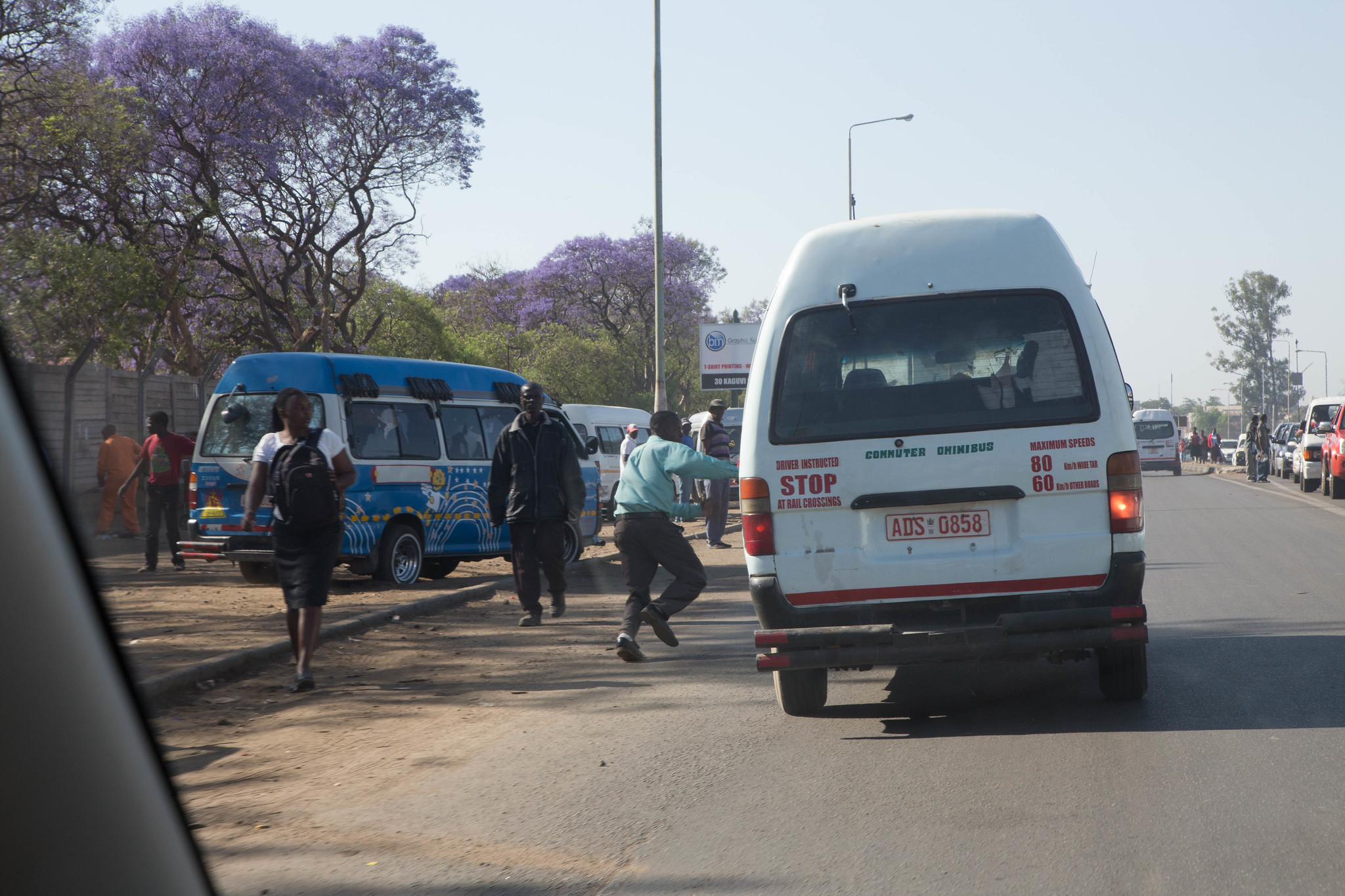
Zimbabwe
Countries that switched sides
Changing sides is expensive and disruptive, so it rarely happens, but the twentieth century saw a steady drift towards the right. Sweden made the most famous switch on 3 September 1967, a day remembered as Dagen H, when the whole country stopped traffic at dawn and restarted on the opposite side. Iceland followed in 1968. In West Africa, former British colonies surrounded by right-hand French neighbours gave up keeping left: the Gambia in 1965, Sierra Leone in 1971, Nigeria in 1972 and Ghana in 1974. Myanmar switched to the right in 1970, although so many of its cars are secondhand Japanese imports that right-hand drive vehicles remain common on its right-hand roads.
The most recent switch went the other way. Samoa moved to the left in 2009 so that its residents could import cheaper right-hand drive cars from Australia, New Zealand and Japan. Within Japan, Okinawa drove on the right under American administration and returned to the left in 1978.
Crossing between left and right
A handful of land borders separate left-hand and right-hand countries, and the changeover is built into the road itself, usually with a crossover on a bridge or an approach road. Examples include the Friendship Bridges between Thailand and Laos, the Takutu River bridge between Guyana and Brazil, and the borders between mainland China and Hong Kong or Macau. Africa has several more, including crossings between Uganda or Kenya and their right-hand neighbours to the north and west. From Belgium, the most familiar switch happens after the Channel crossing: take the ferry or the tunnel to England and you keep left from the moment you leave the terminal.
Territories that differ from their mainland
Driving side does not always follow sovereignty. Hong Kong and Macau keep left while the rest of China keeps right. The US Virgin Islands drive on the left, a leftover of Danish rule, even though the rest of the United States keeps right. Gibraltar keeps right like neighbouring Spain, while most other British overseas territories, from Bermuda and the Cayman Islands to the Falklands, keep left.
Tips for driving on the other side
If you are renting a car in a country that drives on the opposite side from home, pay for an automatic so your hands and brain are not fighting over the gearstick. The riskiest moments are not on busy roads but on quiet ones: pulling out of a car park, leaving a petrol station or turning onto an empty rural road, when habit takes over. Roundabouts run in the opposite direction too, clockwise in left-hand countries. As a pedestrian, look both ways every time, because your instinct will send your eyes the wrong way first.
Frequently asked questions
How many countries drive on the left?
54 of the 195 countries covered here drive on the left, most of them former British territories. The other 141 drive on the right.
Which European countries drive on the left?
Four: the United Kingdom, Ireland, Malta and Cyprus. Everywhere else in Europe, including Belgium, keeps right.
Does the steering wheel always sit on the side away from traffic?
Usually, but not always. In left-hand countries the steering wheel is normally on the right, and vice versa, but imported vehicles blur the rule, as in Myanmar where many right-hand drive cars run on right-hand roads.
Why does the United Kingdom drive on the left?
Keeping left was the custom on British roads long before cars, and it was written into law in the nineteenth century. The rule then spread with the British Empire.